Small Space, Big Value: How to Add a Bedroom or Office to a Mews House
Lofts, basements and outbuildings can each buy a mews house an extra bedroom or office — if you respect...

A mews house and a courtyard house often attract the same buyer: someone who wants character, a manageable footprint and a bit of outside space without a long garden to maintain. They deliver those things in almost opposite ways. One turns outward onto a narrow, sociable street; the other turns inward and shuts the world out. Which one you will still be happy in five years from now comes down to light, parking, privacy and how much upkeep you genuinely want.
Mews houses started life as stables and coach houses, usually on a strip of land behind a grand terrace. That history shapes everything: a narrow frontage, two or three storeys, and often a garage or former carriage room at ground level. The street is typically cobbled or block-paved, frequently traffic-calmed, and often sits inside a conservation area. Many are leasehold with an estate service charge, though plenty are freehold, so check rather than assume.
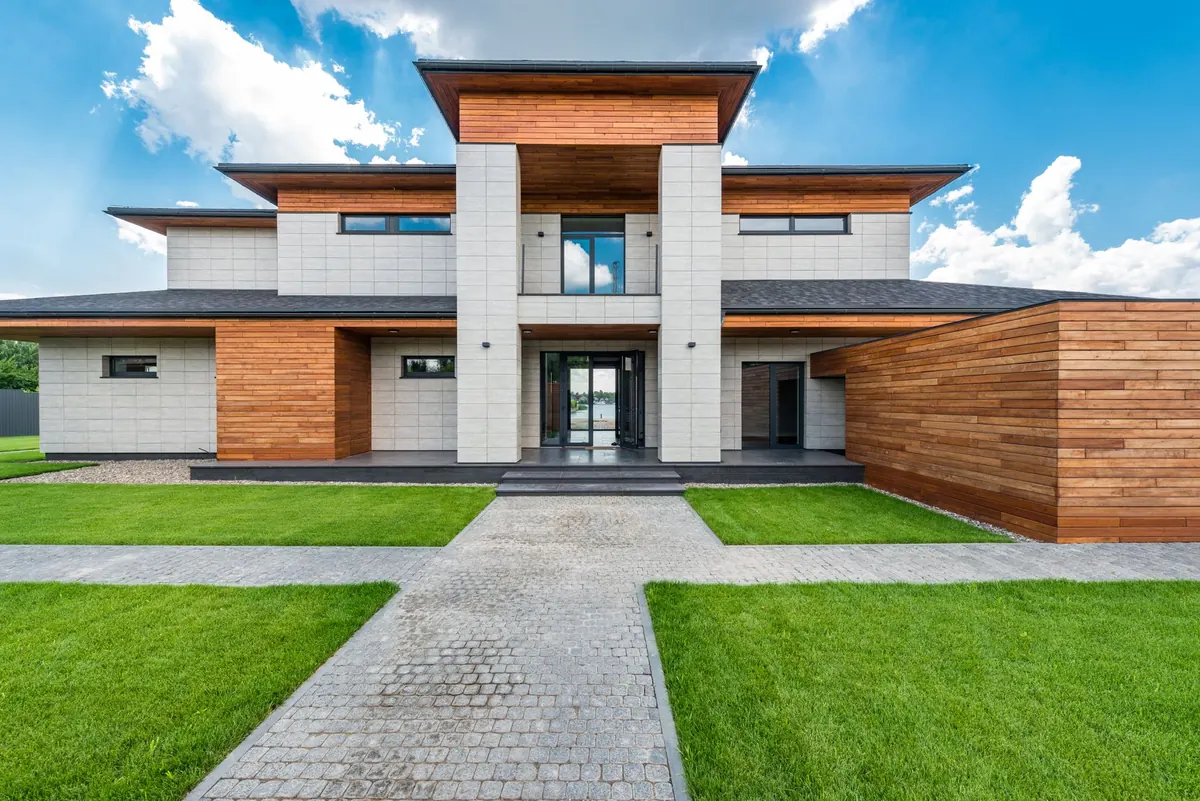
Courtyard houses are a broader family. Some are historic, built around a rear or internal court. Others are modern, with rooms arranged around a central open space in an L, U or square plan. The defining feature is that rooms tend to be single-depth, opening onto the courtyard, with high boundary walls doing the work that a hedge or fence would do elsewhere.
A mews house is tall and narrow, so windows generally exist on two faces only — front and back. Rooms in the middle of the plan can be stubbornly dark, which is why so many owners add rooflights, glazed rear extensions or a roof terrace. The frontage may also sit in the shadow of the taller buildings behind it, and opposite windows are close enough to borrow each other's light.
Courtyard houses give every room a view into the same space, which sounds generous until you look at orientation. A courtyard facing south collects sun for most of the day; a north-facing one stays cool and shaded, which some people find restful and others find gloomy. Deep plans mean the courtyard itself can be shaded by the house, and heavy glazing that fixes a dark room can create overheating in summer. Ask where the light lands at 3pm in winter, not how the house looks at noon in June.
Judge both layouts in February, in the rain, with the lights off.
Mews outdoor space is usually modest: a paved yard off the kitchen, a balcony, or a roof terrace reached from the first floor. You get somewhere to eat outside, store bikes and grow pots, but not a lawn. Some mews back onto larger gardens, which gives borrowed greenery without the mowing.
Courtyards feel more private and more sheltered, and they extend the living space in a way a windy terrace never quite does. The trade-off is that they are mostly hard surface, with soil in planters rather than borders. Shade, moss on paving and slow drainage are common issues, and a courtyard with no sun for half the year limits what you can plant.
Mews wins here, most of the time. These streets were built for horses and carriages, so off-street parking, a garage or at least a hard-standing in front of the house is common. The catch is size: measure the arch or garage opening before you fall in love, because plenty of original entrances are narrower than a modern car with mirrors out. Single-track mews streets often require reversing in, and some estates restrict commercial vehicles or overnight parking.
Courtyard houses may have a garage in a rear block, and some courtyards double as parking courts — but every car parked there is outdoor space you have given up. Otherwise you are relying on street permits, which vary by council and are never guaranteed.
On a mews, front windows look straight at the house opposite. You will know your neighbours' routines. In exchange you get very little through traffic, a street that children can play in, and a strong sense of community. Cobbles and hard walls bounce sound, so a suitcase on wheels at 6am travels further than you would expect; good secondary glazing helps more than heavy curtains.
Courtyards are far better screened from the outside world. High walls stop overlooking from next door, and the inward plan muffles street noise. The catch is internal: your own first-floor windows look down into your own courtyard, so it is private from strangers but not from your household. Hard surfaces also reverberate, and if any part of the court is shared with neighbours, the rules matter as much as the walls.
Both layouts tend to be older buildings, so the usual checks apply: damp at ground level, tired gutters, roof coverings and any historic alterations. Mews roads are frequently private, maintained by residents through an estate charge or a residents' association — find out who repairs the surface, the drainage and any shared structure before you buy. Courtyard houses bring parapets, valley gutters, flat roofs over single-storey wings, paving that needs sealing and gullies that clog with leaves.
Take legal and survey advice before you commit, particularly on leasehold terms, alteration consents and anything that could affect a future sale.
Mews property sells on scarcity and location. A quiet cobbled street with parking, a garage and a short walk to shops will always find buyers, especially downsizers and people who want a pied-à-terre. Narrow rooms and dark middles are the usual objections, and a small overall footprint caps value in some markets.
Courtyard houses appeal to buyers chasing privacy and quiet, and often look like better value per square foot than a comparable house with a conventional garden, simply because enclosed outside space is unusual. But the pool is smaller. Some buyers cannot see past the absence of a lawn, and single-aspect rooms divide opinion. Missing paperwork for past alterations is the most common thing that slows a sale, so keep consents, certificates and warranties together.
Visit at three different times of day and stand in each room with the lights off. Note where you would park, where the bins go, where a bike lives, and whether you would actually use a roof terrace in November. Picture your normal week: if you work from home, a dark middle room will grate; if you travel, a secure mews with a garage will earn its keep. If you garden seriously, a paved courtyard may frustrate you, while a small mews yard with a few raised beds will not.
Write down the three things you will not compromise on — light, parking, quiet, outdoor space, storage — and score both houses against them. That list will tell you more than either property's charm will.
Photo: Max Vakhtbovych / Pexels
Lofts, basements and outbuildings can each buy a mews house an extra bedroom or office — if you respect...
Coach houses, stable blocks and artist's studios look similar from the street, but their original features...
Integral garages under mews houses bring parking, storage, and also noise, damp and planning questions....